 01
Listen
Working with MOYA, our fieldwork and data capturing partner, we document people’s skills, experiences and the challenges they face.
People & place zamoru.
Rooted in people. Growing possibility.
13,1 million South Africans are without work but want it. Behind every one of those numbers is a person. We’re working to connect their skills, stories and potential to meaningful opportunities.
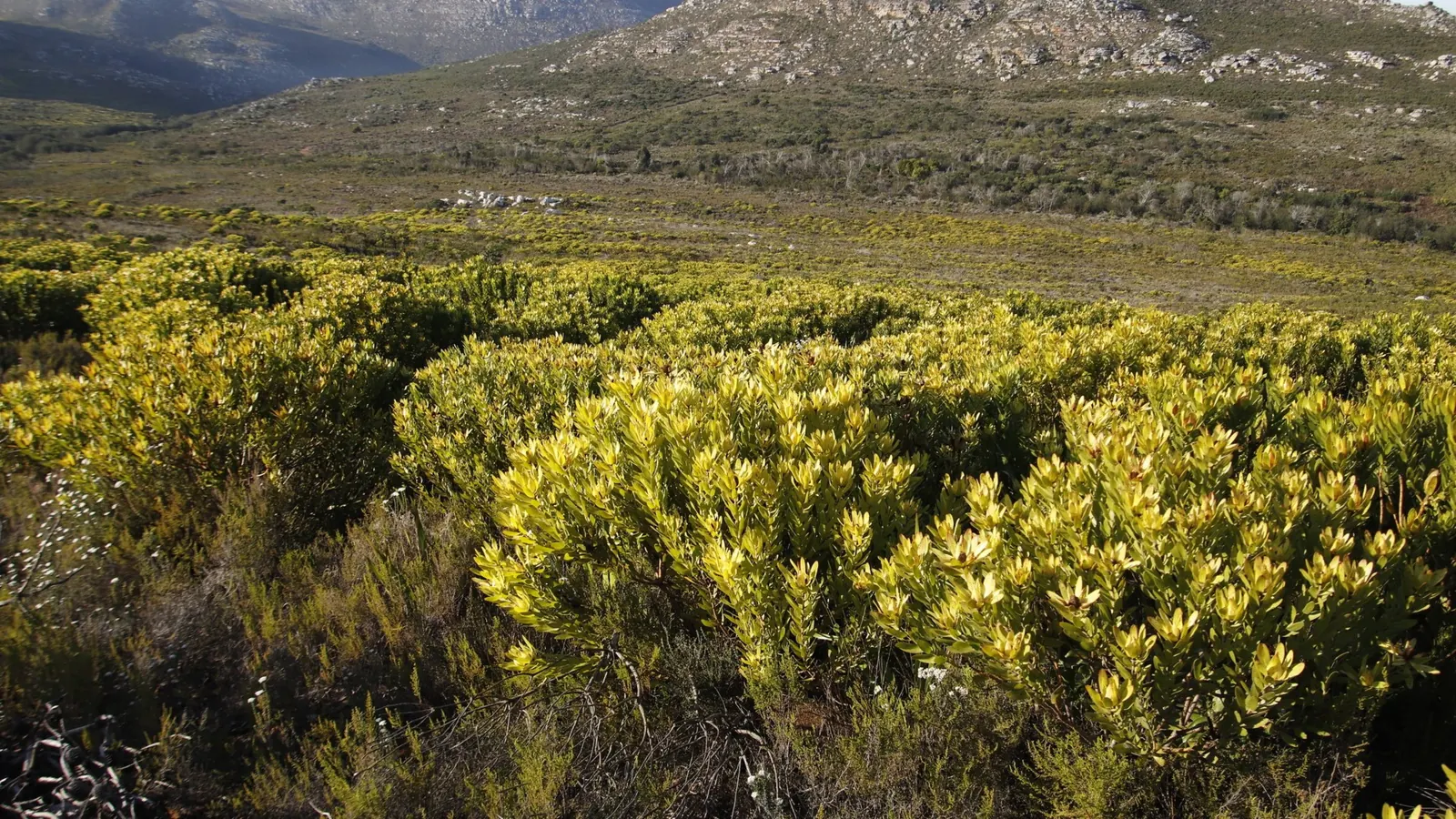
 Protea cynaroides, in characters
A practical approach that begins with people and builds, step by step, towards meaningful work.
01
Working with MOYA, our fieldwork and data capturing partner, we document people’s skills, experiences and the challenges they face.
People & place 02
We use community responses, mapping and focused research to understand local needs and where support can make a difference.
Data & understanding 03
We work to connect people with organisations, employers and community projects that need their skills.
Relationships & opportunity 04
We turn what we learn into action: mobilising communities, supporting practical initiatives with partners and reporting honestly on what changes.
Mobilisation & changeKnowing how many people are unemployed doesn’t tell us how to help them find work.
We need to understand who they are, the skills they hold, where they live and the barriers they face. Zamoru brings that understanding together with research and relationships to help shape a more targeted response to unemployment.
Our starting point is simple: listen to communities, then work with them to find a way forward.
People describe their reality.
That reality guides our response.
Source: Statistics South Africa, Quarterly Labour Force Survey, Q2:2026. 13,1 million and 43,8% are the combined unemployment and potential labour force measure (LU3).
Bringing community knowledge, research and opportunity together.
MOYA × ZAMORU
MOYA is Zamoru’s fieldwork and data capturing partner. A student-led movement focused on youth unemployment, MOYA gathers the experiences of unemployed people through a national registry, digital outreach and in-person fieldwork.
Zamoru brings research and partnerships to this work, using the information captured to understand local needs and help connect people with organisations and opportunities.
How Zamoru and MOYA work together
MOYA is the ground: it reaches young people and records their realities. Zamoru is the bridge: it turns that evidence into research, partnerships and practical next steps. What we learn goes back to communities and shapes what MOYA asks next.
Fieldwork, outreach and a national youth registry reach people where they are.
Young people describe their skills, barriers and needs, with consent.
We assess what the data can reliably show and add community knowledge.
We bring in employers, organisations, researchers and funders.
Forums, mobilisation and programmes, reported back to the communities involved.
Young people, in their own words
Through the MOYA youth registry, young people describe their education, skills, barriers to work and study, the support they need and their community’s priorities. Every response brings a person into view.
We will grow towards 10 000 with purpose: only where the evidence, our capacity and proper safeguards justify it. Responses are self-selected and used only with consent.
315+ responses the road to 10 000
Growing together
315
Every registration adds to the national picture of who is looking for work, where they are and what stands in their way.
Our experiences, in numbers
Patterns from the 315 people who have registered with MOYA so far. Not everyone answers every question, so each breakdown counts the answers given.
01 / Main status
291 classified
02 / Local priorities
03 / Immediate needs
04 / Education
05 / Age
Snapshot of the MOYA youth registry, 17 October 2026. Self-selected registry responses, not nationally representative statistics. Live figures: ourmoya.co.za ↗
A six-month learning, research and mobilisation initiative from Zamoru NPC and the MOYA Youth Platform. Not a finished model: a careful test, reported honestly.
01 / The opportunity
Unemployment is often discussed through national numbers. Those numbers matter, but they do not tell us enough about the people behind them: what they can do, what is stopping them from participating in the economy, what their communities need, or where useful connections might be made.
MOYA has already begun listening to young people through an individual registration process that captures education, skills, barriers to work and study, support needs, local priorities and willingness to take part in collective action.
Zamoru and MOYA propose a careful next step: examine what is already known, bring outside perspectives into the conversation, and test how people, community knowledge and potential economic opportunities might be connected. We are not presenting a proven model. We are seeking support to investigate whether a useful, repeatable approach can be built.
02 / What we want to learn
A Johannesburg economic forum
Economists, researchers, community voices, young people and industry, brought together to test assumptions and identify the questions worth pursuing — not to arrive with a predetermined answer. Possible themes include local production and enterprise, township economies, development finance and the barriers facing young people.
Forum allocation: not more than R50 000
The data already available
A review of the existing MOYA registrations and community information: completeness, consistency, location coverage, consent and duplicates. The key question is not how many records exist, but whether they are reliable and comparable enough to help connect people, skills, community needs and real opportunities.
Personal information is never shared just because it was collected. Reporting stays aggregated or de-identified.
What to collect next — and why
The forum and assessment shape the next stage of mobilisation. If the evidence points to a place-based opportunity — solar supply chains in the Northern Cape, say, or mining-related work in the North West — focused engagement there can be considered. These are illustrations, not commitments.
Longer-term ambition: 10 000 registrations, grown with purpose, not as a measure of success in itself.
04 / A collaborative working model
A small, practical working model that brings together strategic thinking, research, public mobilisation, communications and community engagement. The programme will document what works, what is difficult and how decisions are made — while respecting MOYA’s identity and independence.
08 / Why Zamoru and MOYA
MOYA has created a route for young people to describe their circumstances in their own terms — not only their employment status, but the barriers they face, the support they need and their willingness to participate. Zamoru provides an organisational base from which to connect that information with community knowledge, research and practical initiatives. The partnership’s value is not that it already has all the answers. It is that there is an existing starting point, a willingness to listen, and an opportunity to test a more purposeful way of connecting information with action.
05 / Proposed allocation
| Six participant stipends (6 × R4 500 × 6 months) | R162 000 |
|---|---|
| Community activation and recruitment | R55 000 |
| Contingency / unallocated provision | R53 000 |
| Forum (maximum allocation) | R50 000 |
| Social media and public awareness | R45 000 |
| Research and analysis | R45 000 |
| Data systems, verification and storage | R25 000 |
| Legal, POPIA and data-governance support | R25 000 |
| Administration, finance and programme operations | R25 000 |
| Travel and communication | R15 000 |
| Total | R500 000 |
The allocation is provisional and will be checked against the final activity plan. The contingency is not an automatic spending allocation; its use requires a clear rationale and approval.
06 / Intended outputs
These are intended outputs, not claims that jobs will be created, that a particular opportunity will be confirmed, or that policy will change within six months. Progress is reviewed at an interim point and at six months, separating activity from outcome.
09 / The invitation
Can we create a more useful connection between people, what communities need, and the economic opportunities that might help them participate?
We are seeking R500 000 to test an approach, report honestly on what it reveals, and build only where the evidence and relationships justify it.

Rooted in our communities
Every community holds knowledge, skills and ambition. We start by recognising what is already there — and working together to help it grow.
We’re building a network of employers, community organisations, researchers, public institutions and funders who share a commitment to meaningful work.
Sponsor or partner with us
shireen.miller@zamoru.orgGet in touch with Shireen Miller to explore sponsorship and partnership opportunities.
Help connect skills with real opportunities.
Bring local knowledge and community needs.
Help turn lived experience into informed action.
Support fieldwork, outreach and the six-month learning programme.
Dignity. Meaningful work. A future with possibility.